
Need to verify a candidate before you hire?
Get fast, clear employee background verification reports with digital checks in as little as 12 hours — backed by deeper investigation support when required.
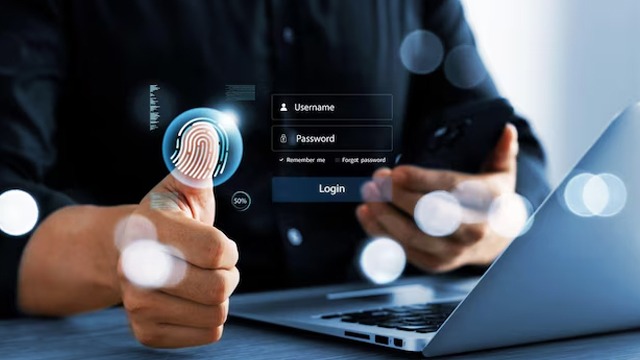
Gone are the days when identity theft was solely focused on accessing credit cards. Today, as with the rapid evolution of new technological innovations, fraudsters target more than what is readily accessible, like career credentials and tax information. As more companies hire remotely using automated verification tools, your data becomes even more susceptible to these frauds. Thus, it becomes essential for a working professional to run a self background check to protect themselves from financial frauds. Let us delve into the nature of employment identity thefts, warning signs and how you can perform self-checks using modern tools and systems with the help of reliable BGV providers.
In simple terms, employment identity theft happens when someone steals your personal information, like your PAN number or Aadhar, for their benefit. These activities may include securing employment in your name or conducting financial frauds for money gain. Here are a few of the ways in which financial frauds take place:
Cybercriminals find professional identity to be easy to crack due to several reasons.
Explore the early signs of employment identity theft that you should identify as soon as it occurs:
Unexplained HR or Payroll Communication: If you receive emails, job offers or notices from companies that you have never applied to, take that as a warning sign.
Irrelevant government notices: This includes tax filings under PAN that you did not execute, employment history errors and notifications to pay up unpaid tax money.
Suspicious activity on professional platforms: Unauthorised access to your LinkedIn or any other job portals signals strange activity.
Another key component to be warned against is an employer who informs you of false background check errors showing criminal records that don’t belong to you.
If you are thinking, “How do I get a background check on myself?”, the safest method to conduct self background checks is to rely on personal monitoring with professional verification. The validation of a trusted BGV provider will reduce the chance occurrence of blind spots. This is where Millow comes in. Their specialized process will authenticate your credentials and public records and ensure they remain protected from misuse by an unknown person.
Below is the recommended step-by-step approach:
Check employers listed under employment history and look for unknown names. Watch out for new account openings on your behalf and figure out enquiries from companies you have not contacted. This provides early-stage risk management w.r.t. identity theft.
Perform a comprehensive self background check with the help of a trusted BGV company to verify identity-linked data across all social media platforms and job portals. A professional check involves many layers, including but not limited to criminal record check, address verification, educational qualification verification, and global database authentication.
Cyberthieves often take advantage of credentials to claim benefits and report incomes you never received. It is crucial to compare your tax transcripts with your employment history to ascertain there are no incongruencies.
To ensure no unauthorized accounts are created on your behalf, it is essential to search your name and phone number on various sources such as job portals, social media profiles, and gig economy marketplaces.
Your account should have solid authentication or two-step verification to ward off any unusual activity. This includes routinely updating security credentials and signing out of devices whenever possible. If any suspicious activity occurs at all, change your password immediately and report it.
What is not on the surface level may lie hidden, and only trusted BGV providers such as Millow can uncover fraudulent footprints that are invisible. Their processes detect forged documents, flag dubious activities, or address discrepancies in a clear-cut manner. At the end of the procedure, they submit a factual report that can be used for legal proceedings. Therefore, it is always recommended to get in touch with an established self background verification company for added safety.
The repercussions of a stranger using your identity for his or her own benefits can be severe, from creating tax complications to impacting credit scores.
Tax complexities
You may be perceived to have unaccounted income, leading to penalty charges.
Employment record manipulation
Erroneous job history can exacerbate issues during future hiring.
Credit Score Effect
Fraudsters may apply for loans and open credit lines, affecting your financial credibility.
Thus, keeping your identity and profile secure builds long-term career credibility. By taking proactive measures and getting support from a trustworthy background verification company to conduct a self background check, you will ensure none of your credentials are misused. Therefore, partner with Millow and take the first step towards cyber safety.
Get fast, clear employee background verification reports with digital checks in as little as 12 hours — backed by deeper investigation support when required.